Most companies that buy back stock are trying to tell you they are doing well. Partron is doing the opposite. The Korean component-maker has spent two years cancelling its own shares — two buybacks, then a 5.0-million-share capital reduction that retires close to a seventh of the company — and it is running this program straight into the worst stretch of its operating cycle in five years. Revenue is flat. Margins are at a low. And the loudest thing management has to say is not about products at all: it is shrinking the company itself, on purpose, while the business waits for a turn.
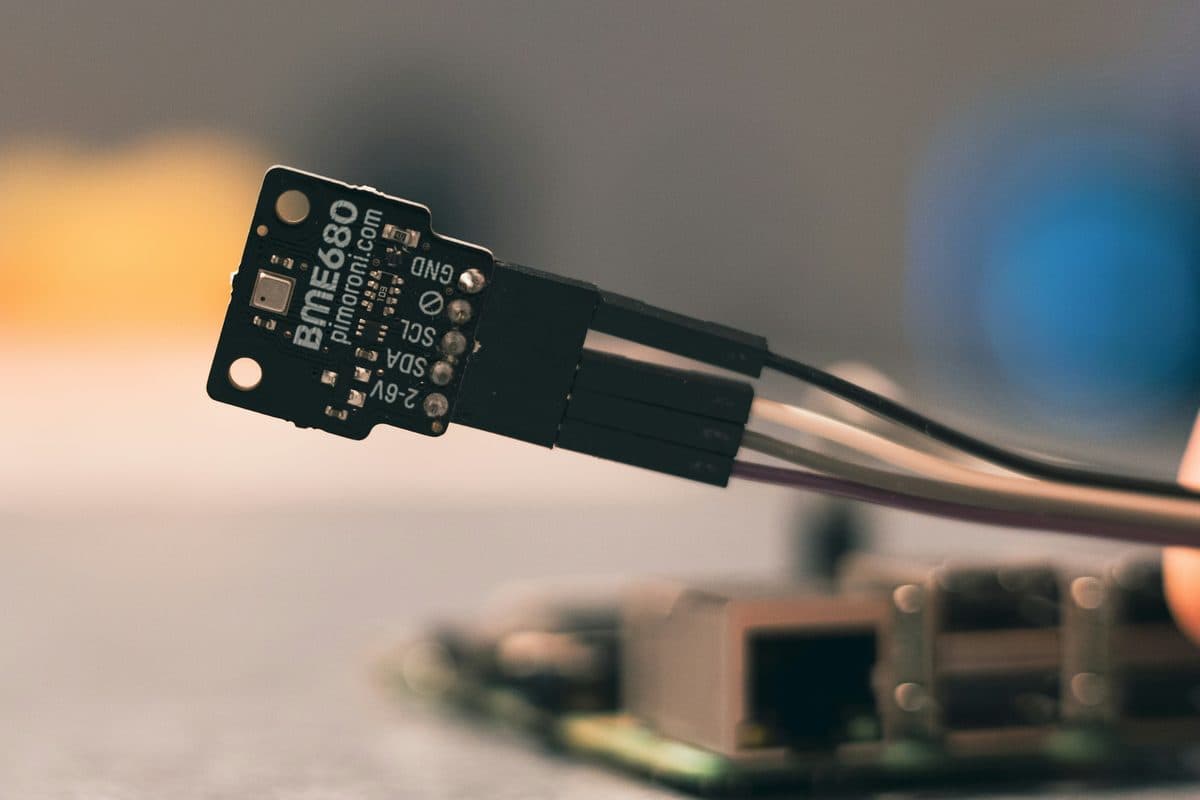
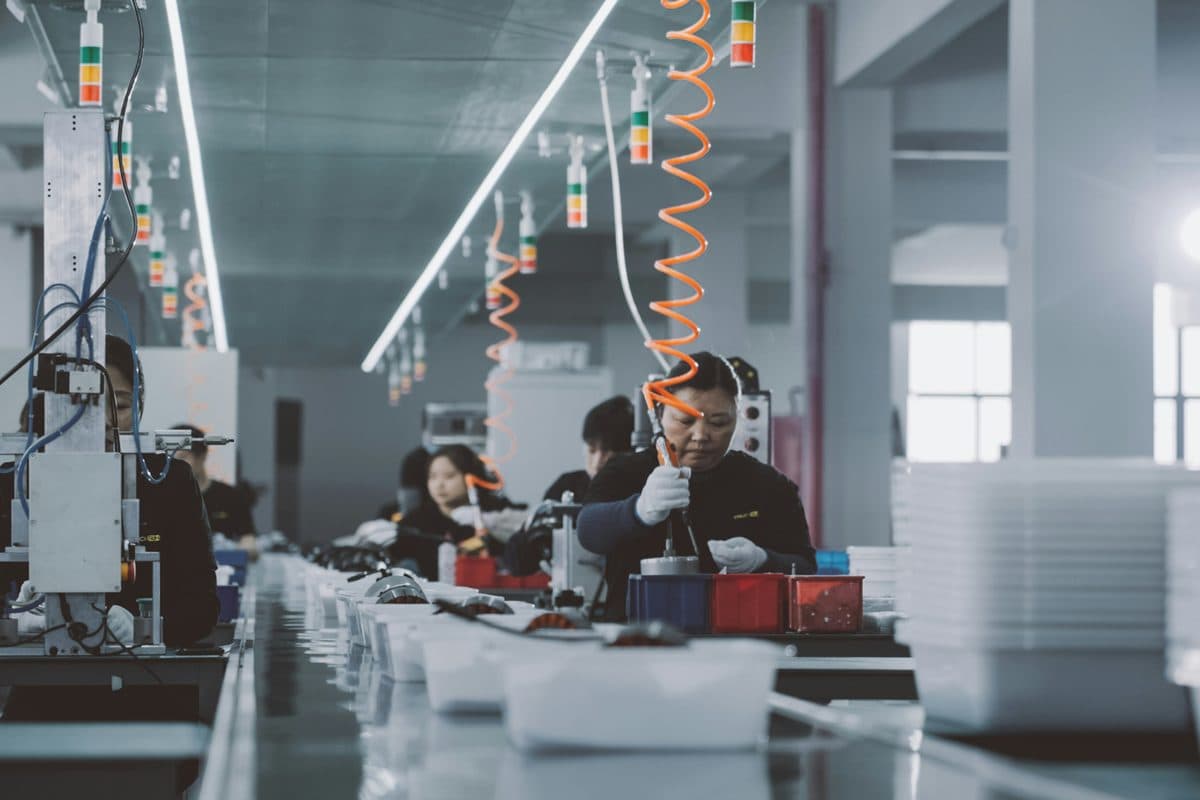
To understand why, you have to see what Partron actually is. It was carved out of Samsung Electro-Mechanics in 2003 and has spent twenty years as a Samsung-ecosystem supplier — it builds the camera modules and sensors that go inside Galaxy phones. Samsung is 71% of its revenue. This is a high-volume, low-margin business by design: prices erode three to five percent every quarter, so the company survives on yield and scale rather than pricing power. Revenue was ₩1,313bn in 2021 and ₩1,350bn in 2025 — net zero growth across a full handset cycle — and operating margin just fell to a five-year low. This is the trough, and it is precisely into the trough that the buybacks and the capital reduction landed: either strange or deliberate, depending on what you think management is really doing.
Shares cancelled in the 2026 capital reduction
5.0M
Roughly 14% of the company, retired in a single accelerated batch — pulling issued shares from 55.0M below the 50.0M target a year early, on top of two earlier buybacks. Executed into the earnings trough, not a peak.
From cash leg to growth engine
Split the revenue by product and the bifurcation is stark. Mobile-phone parts — the historic core — fell 14.5% in 2025, to ₩738bn. In the same year automotive parts grew 24.8%, to ₩209bn, the only product line that grew at all. The customer behind it tells the same story: Hyundai Mobis revenue rose 54% to ₩155bn as Partron fed cameras into ADAS and driver-monitoring systems, a market the EU is now pulling forward with mandatory in-cabin monitoring rules. The company is trying to walk from being a phone-camera supplier to being a sensing supplier — automotive cameras, biometric and health sensors, UWB and RFID modules, electronic shelf labels. The direction is real. The pace is the question.